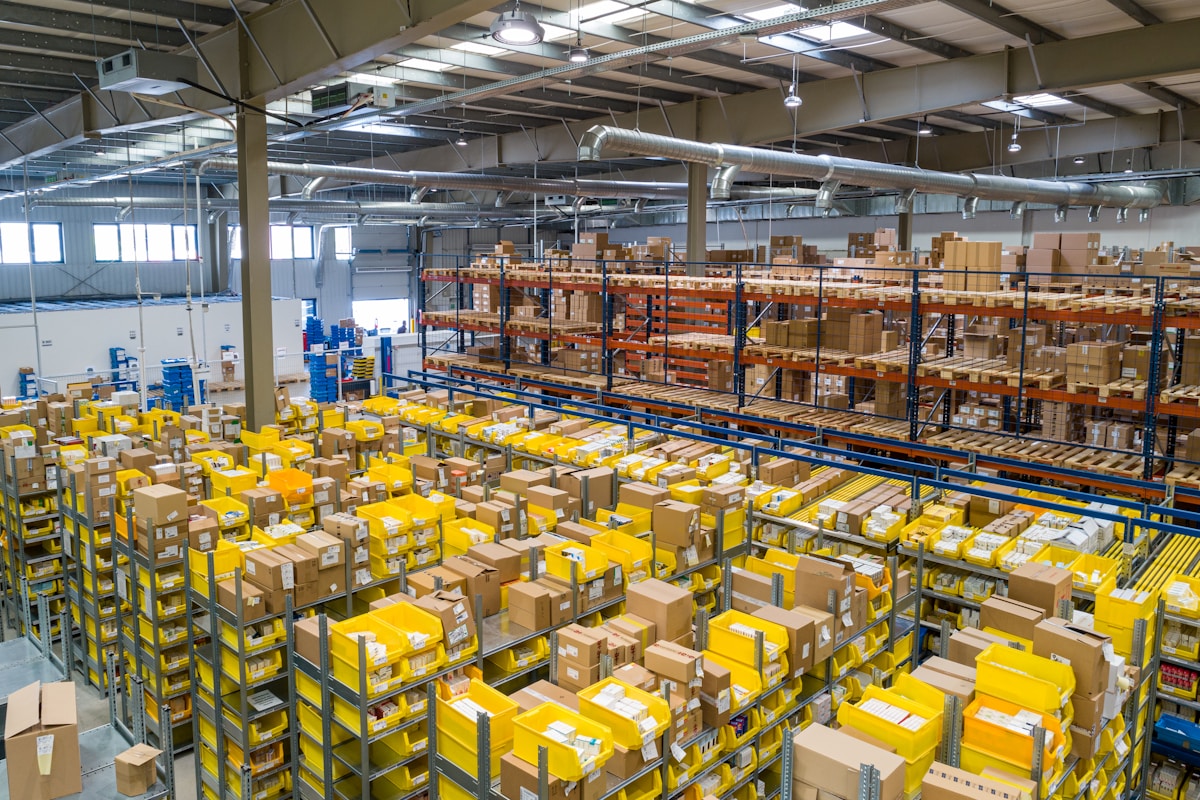
Inventory management is the single biggest operational challenge for growing retail stores. Too much stock ties up cash and leads to markdowns. Too little stock means lost sales and disappointed customers. Getting it right requires the right data, the right processes, and the right technology — and modern POS systems provide the foundation for all three.
The Real Cost of Poor Inventory Management
Most retailers underestimate how much poor inventory management costs them. Between dead stock that never sells, stockouts that send customers to competitors, and the labor hours spent on manual counts and orders, the financial impact is substantial.
The average retailer loses 4-8% of annual revenue to stockouts alone. For a $1M store, that's $40,000-$80,000 in missed sales every year.
- Dead stock ties up capital that could be used for new products
- Stockouts send customers to competitors — many never return
- Manual inventory counts consume 4-8 hours per week per location
- Emergency vendor orders cost 15-30% more than planned orders
Set Realistic Par Levels
Par levels — the minimum quantity of each product you should have on hand — are the foundation of good inventory management. Set them based on your sales velocity, lead time from suppliers, and seasonal demand patterns.
How to Calculate Par Levels
Start by analyzing your average daily sales for each product over the past 90 days. Multiply by the number of days it takes to receive a new order from your supplier. Add a safety buffer of 20-30% for unexpected demand spikes. The formula: Par = (Average Daily Sales × Lead Time in Days) × 1.25.
- Review par levels quarterly — they should evolve with your business
- Set higher par levels for products with long lead times
- Use lower par levels for products with reliable, fast suppliers
- Adjust seasonally — your December par levels should look different than January
Leverage Real-Time Inventory Data
Modern POS systems update inventory in real time with every sale, return, and receiving event. This means you always know exactly what you have — no more guessing, no more end-of-month reconciliation surprises.
Real-time data transforms how you manage inventory. Instead of reacting to problems after they happen, you can see trends developing and act before they become issues. Low stock alerts notify you when products need reordering. Slow-mover reports identify products that need markdowns before they become dead stock.
Weekly Inventory Review Routine
Check which products are below their par levels and need reordering
Identify products with less than 30 days of sales velocity
Review this week vs same week last year for seasonal patterns
Generate purchase orders based on data, not gut feel
Schedule markdowns for products approaching dead stock status
Multi-Location Inventory Management
For retailers with multiple locations, inventory management becomes exponentially more complex. Each location has different customer preferences, seasonal patterns, and sales velocities. The key is centralized visibility with local control.
A modern POS with multi-location support shows you inventory across all stores from a single dashboard. Transfer stock between locations to balance inventory. Set location-specific pricing and par levels. Run consolidated reports that show you total company inventory position.
- Centralized dashboard shows inventory across all locations
- Stock transfers between locations reduce emergency orders
- Location-specific par levels account for local demand patterns
- Consolidated purchasing helps negotiate better vendor pricing
Conclusion
Good inventory management comes down to three things: accurate data, consistent processes, and the right technology. A modern POS system provides the real-time data foundation. Regular par level reviews and weekly inventory routines build the processes. And multi-location support scales the system as your business grows. Get these three things right, and you will dramatically reduce stockouts, minimize dead stock, and improve your store's profitability.